

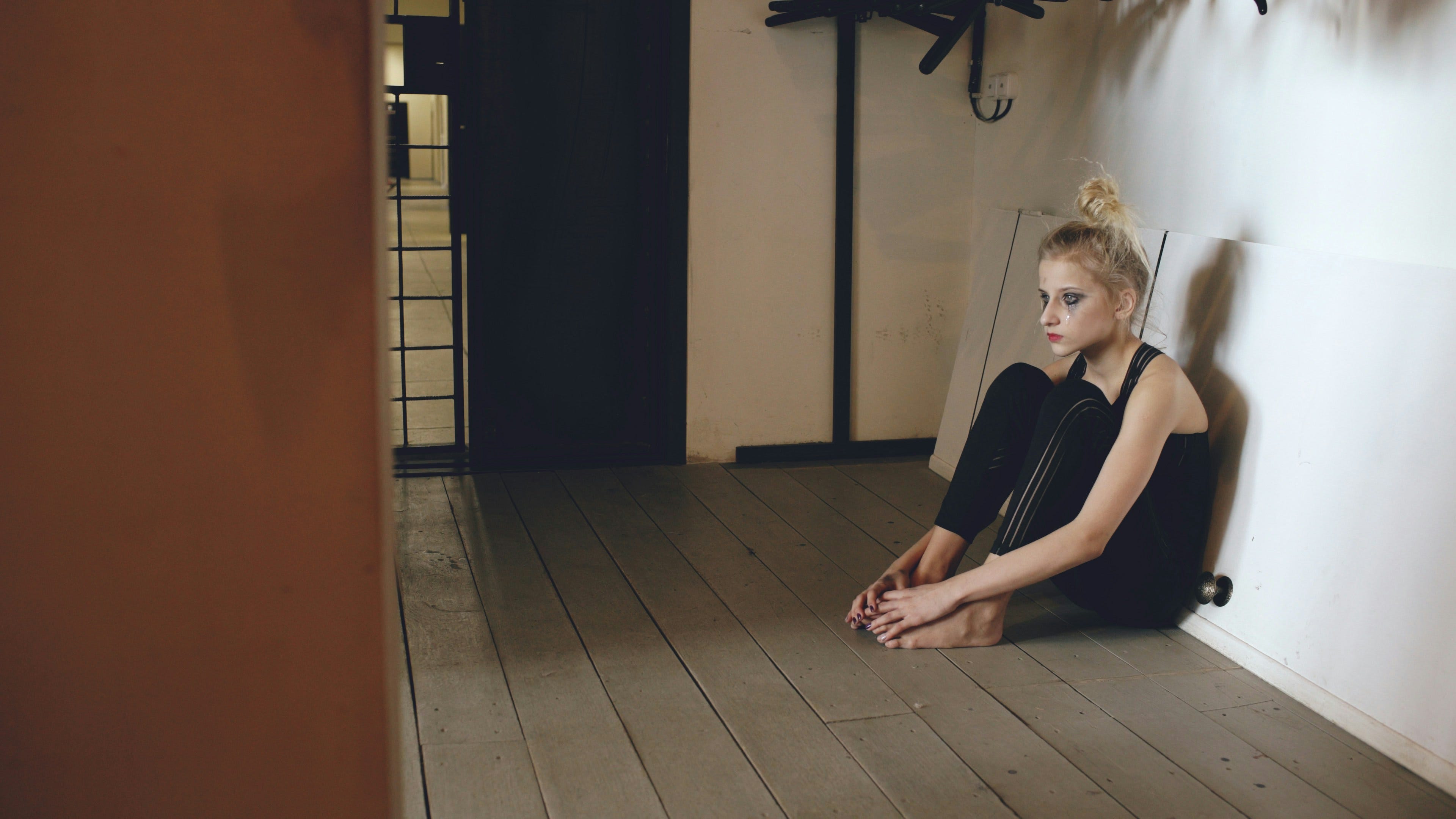
The ‘tween and early teen years are a troubled time for many kids. Whilst teen angst is a well known phenomenon, adolescent social anxiety has seen a sharp rise over recent years, to the extent that today’s youth have been termed the anxious generation. Social media has been blamed for this and certainly social media algorithms serve to feed the anxieties of young females particularly. However, the root causes for growing prevalence of social anxiety and mental health issues among youth go deeper and can be traced back much earlier in their childhood years. Understanding the full context is important, as it offers a route out and points us towards some specific countermeasures to remedy the situation.
We are a social species. The extended childhood and period of adolescent development that is unique to humans exists to provide kids with adequate opportunity to learn to navigate the complexities of human society. There is mounting evidence that growing up with screens from early childhood onwards is interfering with social learning and development. This would help to explain the growing anxiety provoked by the prospect of engaging in social interaction at a time in their life when kids are at their most self conscious and aware of social judgement. Indeed screen use during the early years has been linked to anxiety symptoms later in childhood.
Social play is a universal feature among mammals and has long been recognised as vital for youngsters, to the extent that behaviour is affected and signs of anxiety increase when opportunities to play are restricted. Coincidentally, unsupervised play during childhood is in decline and this seems to be a somewhat universal trend across different parts of the world. Part of this is stems from safetyism, which has for recent decades led parents to become reluctant to let children play outside unsupervised. The other major driver is that the time they might have previously spent playing outside is being taken up by the ever-increasing daily hours kids are spending with a screen.
Whilst you can still find younger kids on playgrounds within the local community, this drops off abruptly not long after they start attending school. For many kids, organised sport fills the void. In other words, participating in youth sports becomes the way for these kids to fulfil their continued need for social play and regular physical exercise. However, too many others withdraw into video games and screens, meaning less in-person social interaction and also less time outdoors being physically active.
The relationship between physical activity and social anxiety is well documented. Longitudinal studies demonstrate that kids who are more physically active in their daily life are less prone to social anxiety. Conversely, kids who are inactive are much more likely to suffer with social anxiety. Sadly the issue tends to compound, as kids who are socially anxious are less inclined to engage in physical activity, creating a negative spiral.
Above all, the decline in active social play and growing sedentary behaviours among kids created the anxious generation. It follows that these are the elements we need to address if we are to remedy the situation.
Sport is a great way to get kids outdoors to interact with other kids without screens, exercise their bodies and engage in active social play. Each of these elements protects against social anxiety and remedies existing symptoms, so this is a powerful combination. Affirming the growing importance of sport in healthy childhood development, organised youth sport participation during childhood brings enduring benefits, such that kids who engage in sport are less likely to suffer from social anxiety once they reach their teens.
Nonetheless it is vital that we do all we can to encourage participation throughout the teenage years. One of the most crucial benefits of sport in the digital age is that sport provides a forum for in-person interaction. Regular exposure is the best way to increase kids’ comfort with face-to-face social interactions not mediated through a screen. Attending practice provides a much needed opportunity to be around other kids without devices getting in the way.
Importantly, participating in organised youth sport provides a regular dose of physical exercise for children and teens, which in itself helps to improve mood and alleviate symptoms of anxiety. The motor learning and skill development aspects of sport confer additional benefits. Acquiring skills and becoming more proficient provides a sense of self-efficacy. In this way, their efforts in the sporting domain can boost kids’ confidence and bring a newfound sense of self-esteem.
Throughout childhood and the teenage years, participating in sport helps to develop social skills. One of the key functions of engaging in play is learning to cooperate and compete in a way that is acceptable to others. Sport has the power to teach fair play, moral behaviour and emotional regulation, all of which are crucial in helping kids to be accepted by their peers and make friends.
It is notable that one of the positive effects reported with youth sports participation is that kids become less inhibited in their social interactions. Sport has long been recognised as particularly beneficial for kids who are shy. For these kids who are unsure of themselves and their place in the world, the field or court provides a space where they can overcome their inhibitions, express themselves and experience a sense of assurance. Irrespective of their social standing beyond the arena, sport offers a place where they can find acceptance and experience a sense of belonging.
Essentially this describes every young teen to some degree. Early adolescence is the time in their when kids are most self-conscious, hyper aware of social evaluation and sensitive to the judgements of their peers. Youth sport offers sanctuary from the uncertainty and stress of trying to figure out the shifting social dynamics and navigate the opaque rules of teenage society. Amidst all this turbulence, sport offers some welcome predictability: on the field or court the rules of the game are known and everybody abides by them.
Sport offers connection. Aside from providing a positive outlet and regular mental health boost to help kids cope with day to day stressors, the friendships and in-person social support that kids are able to access through sport are invaluable. Given the loneliness and profound social isolation that is experienced by so many of today’s teens, this alone should motivate the grown-ups to do all they can to provide opportunities for kids to participate and keep them engaged in sport.
The participation dropping off "abruptly not long after they start attending school" matches exactly what we see in the VFIT data — the cliff hits around 11-13, right as the social-anxiety risk peaks. The piece I'd add from the operator side: cost and travel push the marginal kid out first, so the ones who'd benefit most from the sanctuary you describe are usually the first to quit.
A great read! Beyond just social interaction, we’ve found that the "C" Cycle is a powerful way for kids to reclaim control: by taking calculated risks in practice, they experience small wins that gradually rebuild the self-efficacy screens have eroded. Adding a focus on process goals rather than outcomes can also lower that social anxiety. When a teen focuses on their own effort or a specific technical cue, it quietens the "inner critic" and the fear of being judged by peers. It’s about helping them find that "Goldilocks Zone" where the challenge is just right to keep them engaged without feeling overwhelmed.