

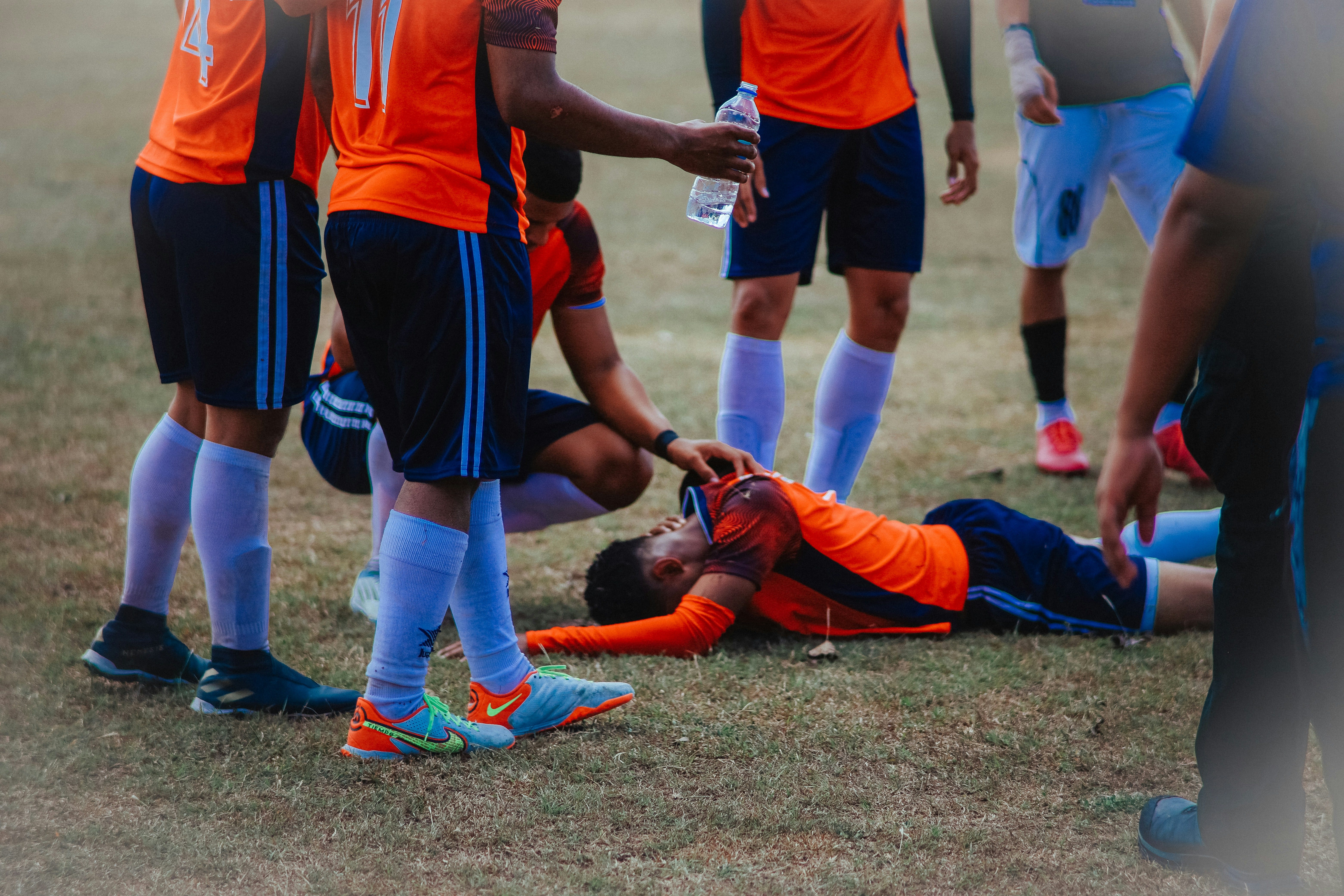
Dealing with injuries is undoubtedly the most challenging part of the youth sports journey, for kids and parents alike. The prospect of being injured is so unappealing and frankly inconvenient that most prefer not to confront the reality. Part of the reason why overuse injuries are so common in youth sports is the propensity for kids, coaches and even parents to ignore the early warning signs rather than acting, on the assumption that doing so is likely to involve taking time out. When ignoring the injury is no longer an option, the natural eagerness to get back likewise often leads to rash decisions in an attempt to expedite the process. The discomfort of being on the sidelines creates the urge to do something. The problem is that the something in question can involve quite drastic medical intervention. In such cases, too often the end result is further complications and secondary issues that result in more time spent on the sidelines, not less. Rushing kids back before they are ready or equipped to return from injury similarly increases the odds of a recurrence.
To be clear: timely intervention is important - with overuse conditions in particular ignoring the problem and failing to act tends to compound the issue. HOWEVER, less is more when it comes to medical treatment for youth sports injuries. Weighing the benefits versus risks is key with any intervention. In this regard, an important concept for parents and coaches to be aware of is natural history. This describes the time-course for an illness or injury to spontaneously resolve on its own. This is the criterion that any intervention should be judged against. In other words, did the treatment resolve the issue quicker or better than would have been the case without any intervention? The more invasive the intervention (such as surgery), the more strictly we should apply this criterion, given the risks and potential negative second-order effects involved. Borrowing from the Hippocratic Oath, the default position should be ‘first do no harm’.
In this regard, parents and young athletes are sometimes advised poorly. With due deference to my surgeon colleagues, when your tool is a scalpel, your default solution is to cut. A more neutral third party (ideally a sports medicine physician) is better placed to case manage and guide decisions on treatment options. Ironically, it often takes real courage and conviction on the part of the parent to resist calls for more drastic intervention and take the more conservative treatment route.
In general, we should have more faith in the miraculous healing powers of young bodies. All the same, given the emotion involved, parents often need to be reassured that the more conservative and less drastic treatment path will yield a positive outcome if they can hold their nerve. Happily, when properly managed it is quite extraordinary how kids are able to bounce back from significant injuries, including serious growth-related overuse injuries and major musculoskeletal conditions. I have witnessed first-hand young athletes go from living with daily pain and extended spells on the sidelines to emerge pain-free and return to participating in competitive sport without further issues. So miraculous is the recovery that looking back it can seem like a distant bad dream that happened to somebody else.
Experiencing a significant injury is certainly an unpleasant experience for the young person and the physical and mental toll is very real. However, kids are remarkably resilient. If anything it is harder on the parents. Even once everything is resolved and the young athlete is back to doing what they love, often the parent cannot quite relax as if they dare not believe that it is all behind them.
Here it is important to clarify that letting nature take its course does not mean sitting back and doing nothing. Whilst it is often necessary to cut back or even take a break from participating in sport, total rest (i.e. no activity at all) is not helpful and in fact tends to be detrimental. Being completely sedentary impairs tissue recovery following injury. In keeping with the theme of the post, we should try to work with the body’s natural repair and regeneration processes. Modified activity serves this aim, as it stimulates blood flow and facilitates healing.
Importantly, taking a more proactive approach when managing an injury also provides kids (and parents) much-needed opportunity to engage in purposeful action. Moreover, active modalities generally prove more effective than passive treatments in accelerating the recovery process and improving outcomes. Exercise therapy, involving modified and graduated loading is highly efficacious both during the initial treatment phase and the subsequent injury rehabilitation process. The extraordinary capacity of the young body to heal itself in combination with the potential for proactive management and rehabilitation to facilitate these processes proves to be very powerful.
In particular, resistance training is medicine for acute musculoskeletal injuries, overuse injuries and related conditions, up to and including degenerative conditions such as osteoarthritis. Other types of exercise therapy include neuromuscular training modalities that serve to restore and improve function, motor control, balance and coordination.
Just as muscle adapts to training, bone, cartilage, ligament and tendon are all mechanoresponsive tissues. What this means is that judicious application of load helps to stimulate and direct the repair and regeneration of these tissues. Strength training in combination with neuromuscular training is especially effective. Benefits include better healing, pain relief, improved function and restoring the extensibility and mechanical properties of the injured tissues.
Beyond the physical benefits, the psychological benefits are notable. More progressive exercise-based treatment and rehabilitation does not just support healing and restore function, it also restores confidence and reduces apprehension, such that there is a greater readiness to return to activity. Utilising these training modalities for treatment and rehabilitation can also protect against future injury, by creating reserve capacity, increasing load tolerance and improving capability.
Returning to the merits of early intervention, exercise therapy can and should commence in the initial treatment phase. That said, it is important that this is performed under qualified direction with appropriate supervision and careful management. Exercises must be thoughtfully prescribed, appropriately modified and the degree of loading needs to carefully regulated and graduated based on symptoms and what is tolerated. Conversely, as rehabilitation progresses, injured athletes benefit a great deal from gradual introduction of heavy resistance training exercises more associated with a performance setting.
Whilst exercise therapy should be our primary treatment modality, there are various adjunct therapies that can help support and facilitate the process. Once we get beyond 72 hours of the initial injury, application of heat increases blood flow, supports movement by reducing stiffness and upregulates factors involved in tissue regeneration and repair. Sleep is overlooked as a crucial factor in supporting the body’s capacity to repair and regenerate (these processes literally take place when we sleep). Nutrition is likewise important to provide the building blocks, boost immunological function and support associated healing processes.
Water-based (hydrotherapy) exercise is a highly beneficial adjunct to exercise therapy and active rehabilitation. The pool offers a gateway for introducing and progressing rehabilitation exercises in a way that is better tolerated and exercising in water has other benefits that support healing and repair. The buoyancy of the water offsets bodyweight and impact forces, whereas the viscosity of the water offers gentle resistance, the hydrostatic pressure promotes blood flow and reduces swelling and being immersed in water has a natural analgesic effect. As a result, it is possible to engage in more progressive rehabilitation activities in the pool without pain, which helps build capability and confidence before transferring these activities onto dryland.
Finally, there is an important coaching aspect to restoring pain-free movement, preparing injured athletes to return to sport and guarding against future injuries. Sports injury rehabilitation and return to sport process should include coordination training and movement skills practice. Helping the young athlete to move more effectively and efficiently can reduce stresses on the body, better direct and distribute the forces involved and address the biomechanical risk factors that might have contributed to the original injury or predispose the athlete to future injury. This does require finding somebody with the relevant expertise as these coaching skills are not common, even among physiotherapists who specialise in sports injury.